
Welcome to Clever Clicks
SEO Services
Clever Clicks SEO Services: Where Clicks Convert to Clients.


Welcome to Clever Clicks SEO Services
Welcome to Clever Clicks SEO Services
Welcome to Clever Clicks, where our passion for organic SEO is unmatched. We're here to tell you that with the right strategy, your business can and will thrive beyond expectations. Our bespoke campaigns are meticulously crafted, accessible to a wide range of budgets, and we're all about showing you the potential with absolutely no ties — no contracts, no hidden agendas, just pure, impactful results that are laser-focused on your success.
If your ambition is to not just grow but to lead in your market, Clever Clicks is your ally. Let's show you what it means to invest in the best.
Premium Website Package £399

Business Website Package £599
Why Choose Clever Clicks for Your SEO Needs?
At Clever Clicks SEO Services, we've perfected the art of organic search engine optimization. Our journey began in 2004, closely tracking and adapting to Google's algorithm updates, all the way to the present AI-driven data landscape. This deep understanding allows us to execute SEO campaigns that are not just effective but exceptional.
Our Expertise
Our approach is meticulous and thorough. We carry out exhaustive keyword research to ensure every organic SEO campaign delivers beyond expectations. With a proven track record, we confidently offer a 3-month, no-strings-attached trial to showcase the potential of organic growth.
Comprehensive SEO Services
From E-commerce SEO for platforms like WooCommerce and Shopify to advanced link building strategies, including tier link building for competitive keywords, our services are designed to meet every need. We're not just experts in SEO; we're pioneers in crafting strategies that lead to sustainable growth.
Get in Touch
We're eager to demonstrate the value we can add to your business. If you're looking for live results and a team that understands everything from Google's algorithms to what it takes to rank #1, Clever Clicks SEO Services is your ideal partner. Let's talk about transforming your clicks into clients.
Contact us today to see how we can help you dominate the online world.

Premium Web Design Packages
Unlock the full potential of your business with our cutting-edge website solutions, now offered at an unbeatable starting price of just £399! For those seeking the ultimate in business advancement, our premium business solutions are available at a highly competitive rate of only £599.
Organic SEO Services Exeter
Boost your website and business visibility with our extensive SEO services. By leveraging Google's power and utilizing well-researched keywords through the world's leading SEO software, we drive substantial traffic to elevate your online presence.
Why Choose Clever Clicks for Your Web Design Needs in Exeter?
Choosing Clever Clicks Web Design Exeter means partnering with a team that is not only skilled in web design but also deeply understands the Exeter market. Our approach is holistic, integrating the latest design trends with SEO strategies and user experience best practices. This fusion ensures your website not only looks great but also performs exceptionally in search engine rankings and user engagement.
Understanding Exeter's Digital Landscape
Exeter's digital scene is unique, and Clever Clicks Web Design Exeter is at the forefront of navigating this terrain. We leverage local insights, ensuring your website resonates with your target audience in Exeter and beyond. Our designs reflect the character of Exeter, making your website a true extension of your local business.
Our Commitment to Quality and Innovation
At Clever Clicks, quality and innovation are the cornerstones of our web design philosophy. Every project undertaken by Clever Clicks Web Design Exeter is a blend of creativity and technical excellence. We stay abreast of the latest web technologies and design trends, ensuring your website is future-proof and scalable.
Optimized for Performance and SEO
A website's success hinges on its performance and search engine optimization. Clever Clicks Web Design Exeter focuses on creating sites that load fast, are easy to navigate, and are optimized for SEO. We ensure that your website is not just a digital brochure but a powerful tool to attract and retain customers.
Featured Course
Why Choose Our Web Design Package?
Empowering Your Business with User-Friendly, Professional Websites
Websites from £399
Google Friendly
Fully Customisable
Includes Content
SEO Packages
Supercharge your website's performance with Clever Clicks' SEO Booster Packages, starting at an incredibly affordable £299. Did you know that a significant percentage of websites unknowingly have issues that prevent Google from effectively crawling and indexing their content? This means lost opportunities and unseen potential.
At Clever Clicks, we understand the crucial role of a well-functioning website in today's digital landscape. That's why our SEO Booster Packages include comprehensive software crawls to meticulously identify and isolate any issues hindering your site's performance. We delve deep into the mechanics of your website, addressing problems like slow page loading times and software conflicts. But we don't just stop at fixing issues; we elevate your site's performance to new heights.
Our team applies a suite of proven tweaks, fine-tuned through years of experience, to significantly boost your website's speed on both desktop and mobile platforms. These tweaks, part of our 'secret sauce', are tailored to keep your audience engaged and your website running smoothly. As experts in WordPress and Google algorithms, we know exactly what levers to pull to enhance your site's performance.
Clever Clicks stands out with our unparalleled expertise in WordPress platforms and SEO services. We combine the efficiency of a fast, dedicated service with the personal touch of traditional one-on-one customer care. Partner with us, and experience a website that not only performs exceptionally but also truly represents the pinnacle of digital excellence.

SEO Boost 1
Tailor-made for growth, it's the perfect jumpstart for increasing your digital footprint.
Perfect for small websites
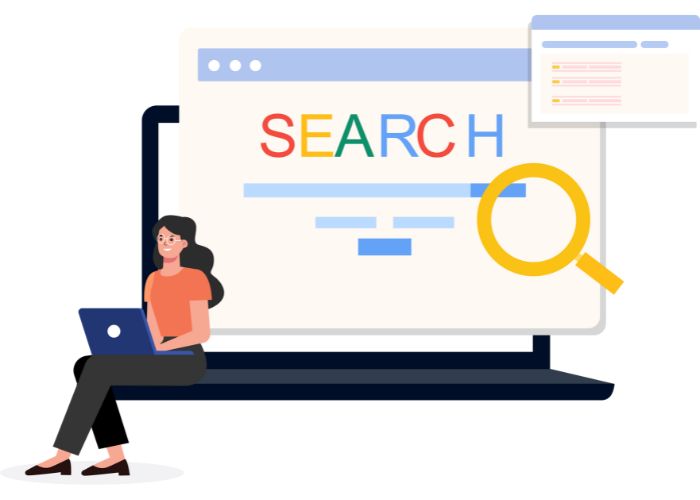
SEO Boost 2
Catapult your medium-sized business into the spotlight with enhanced online visibility and extended audience reach.
Small to Medium size businesses
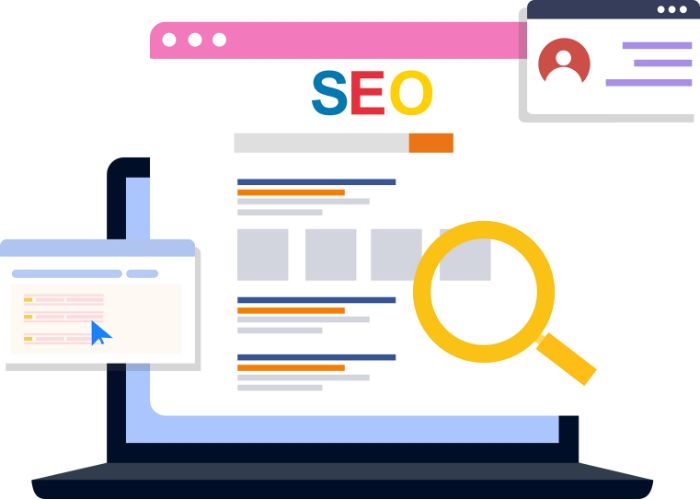
SEO Boost 3
Propel your business to the forefront in competitive industries with robust online visibility and strategic audience targeting.
Advanced Business SEO Boost
Meet the Clever Clicks Family
Partner with Pioneers of Precision in SEO Excellence and Refined Web Design.

Meet the visionary behind Clever Clicks, our Founder Jason. With a relentless focus on pioneering new SEO methods, he combines proven tactics with meticulous strategies to target high-converting keywords. Since 2004, his passion for Web Design and expertise in WordPress have been at the core of driving our clients' digital success.
Jason Stanley

Introducing Mario, our WordPress and WooCommerce wizard, whose proficiency in various programming languages including Python, cements him as a digital futurist at Clever Clicks. His genius in development is matched only by his humility, making him the foundational pillar of our tech innovations and forward-thinking solutions.
Mario Kovalenko

Introducing Jonathan, the elite keyword strategist at Clever Clicks. With a keen intellect for distilling the highest-performing keywords through exhaustive research, Jonathan is a master at harnessing the world's most advanced SEO software and Google analytics. His expertise lies in constructing campaigns that not only deliver measurable results but also excel in aligning with precise search intents.
Jonathan Montrose

Meet Dmytro, our SEO maestro at Clever Clicks. Specializing in advanced link-building strategies for highly competitive keywords, Dmytro has a rich history of elevating global household names in diverse fields. His expertise in navigating the complexities of SEO has been instrumental in securing top rankings for our clients, showcasing our ability to conquer the most challenging digital landscapes.
Dmytro Shevchenko

Emma is the creative force behind web design and user experience at Clever Clicks. Passionate about blending aesthetic appeal with functionality, she crafts websites that are not only visually striking but also intuitively navigable. Working closely with our team, Emma ensures each site exceeds the standard in mobile readiness and compliance, setting new benchmarks in user-centric design. Her meticulous attention to detail and commitment to excellence result in websites that are not just visually captivating but also rich in user engagement.
Emma Norris

Estelle, with her roots in the vibrant city of Paris, brings a unique blend of fashion industry expertise and creative flair to Clever Clicks. Her exceptional talent and innate design sense make her an invaluable asset in crafting unforgettable branding. Each project under her guidance is not just a task but a canvas, where her deep understanding of audience engagement and visual storytelling comes to life. Estelle's extensive experience in the fashion world elevates our branding strategies, ensuring they leave a lasting impression and distinctively represent each client's identity.
Estelle Dupont

Ivan Petrovich, an extraordinary talent in the realm of copywriting, brings a wealth of experience spanning 18 years to Clever Clicks. His expertise extends beyond crafting compelling narratives; he is a master of multilingual SEO, enabling our content to resonate globally. Ivan's unique skill set allows him to weave words not just with creativity but with strategic precision, ensuring each piece is optimized for diverse audiences. His proven track record of success in various markets and languages positions him as an invaluable asset, significantly enhancing our clients' international reach and engagement.
Ivan Petrovich

Ramesh Bhattarai is the mastermind behind resolving Clever Clicks' most intricate web challenges. With a profound knowledge of server architecture, advanced plugin integration, and cross-platform functionality, he's the wizard we summon in the face of daunting technical mazes. Whether it's untangling complex API integrations or navigating through the labyrinth of server-side issues, Ramesh's technical acumen is unparalleled. His ability to decode and fix issues that seem almost unsolvable is nothing short of miraculous. In the digital world, where one glitch could spell disaster, Ramesh is our indispensable guardian.
Ramesh Bhattarai
High Performance
Organic SEO Services
Elevate your business with Clever Clicks' Organic SEO Services. Harness the power of Ahrefs and our 18-year expertise to dominate search rankings and drive high-quality, converting traffic. Choose our 'one-off' boosters or monthly packages for competitive edge. Partner with us and transform your online presence.
Partner with Clever Clicks for Your Web Design in Exeter
Ready to take your online presence to the next level with Clever Clicks Web Design Exeter? Our team is eager to work with you, crafting a website that not only meets but exceeds your expectations. Together, we can create a digital platform that truly reflects the spirit of your brand and the uniqueness of Exeter.
For bespoke web design solutions that make a real difference, choose Clever Clicks Web Design Exeter. Let's embark on this digital journey together, creating a website that's not only visually stunning but also strategically poised to dominate in your industry.
Feel free to get in touch and see what we can do for you and your business, contact us.